Matcha
Matcha originates in the 8th century in China. When monks brought it to Japan, it became one of the most ritualized drinks in history. Learn what matcha is, how it is made, key grades, and where to buy quality matcha.
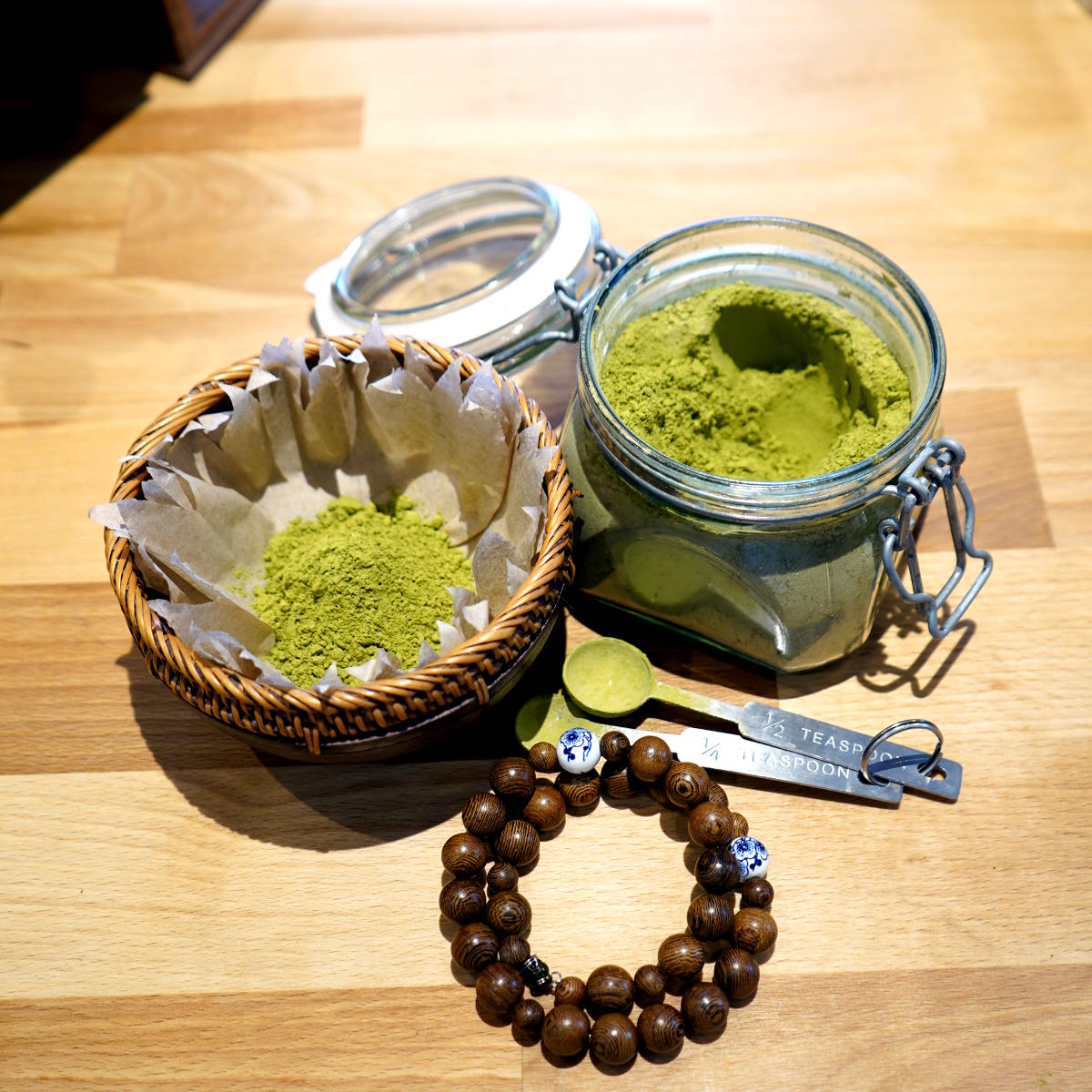
Matcha is a high quality green tea that is steamed, dried, and stone ground into a fine powder. Today it is grown in several tea regions of Japan, especially Kagoshima in Kyūshū, Uji in Kyoto, and Nishio in Aichi. About four weeks before harvest, farmers shade the tea shrubs, the leaves develop more caffeine and chlorophyll, and the powder takes on its signature deep green color.
Read about the origins of ground tea, the health benefits of matcha, and why it is popular today.
How Matcha Is Made
After harvest, the stems and veins are removed to create tencha. The leaf material is quickly steamed to stop oxidation, then dried. Large granite mills grind the tencha slowly into an ultra fine powder. The quality of the raw tea and the milling speed both influence aroma, color, and mouthfeel.
Matcha Grades at a Glance
For everyday shopping you will often see three common categories. For a deeper dive, visit our guide below.
- Culinary grade, the most economical choice, best for baking and mixed recipes.
- Premium grade, balanced flavor for straight drinking and lattes, our café standard.
- Ceremonial grade, the finest quality for traditional preparation with water only.
Learn more about the three common matcha grades and how to choose

RealiTea Matcha, For Home and in Our Tea House
We use a smooth premium grade matcha for drinks in our Salzburg tea house. You can also buy it for home use in airtight pouches or tins, certified organic, sustainable, and naturally vegan.
How to Enjoy Matcha
Basic preparation: sift 1 to 2 grams of matcha into a bowl, add about 70 to 90 ml of hot water at 70 to 80 °C, whisk briskly until smooth and frothy.
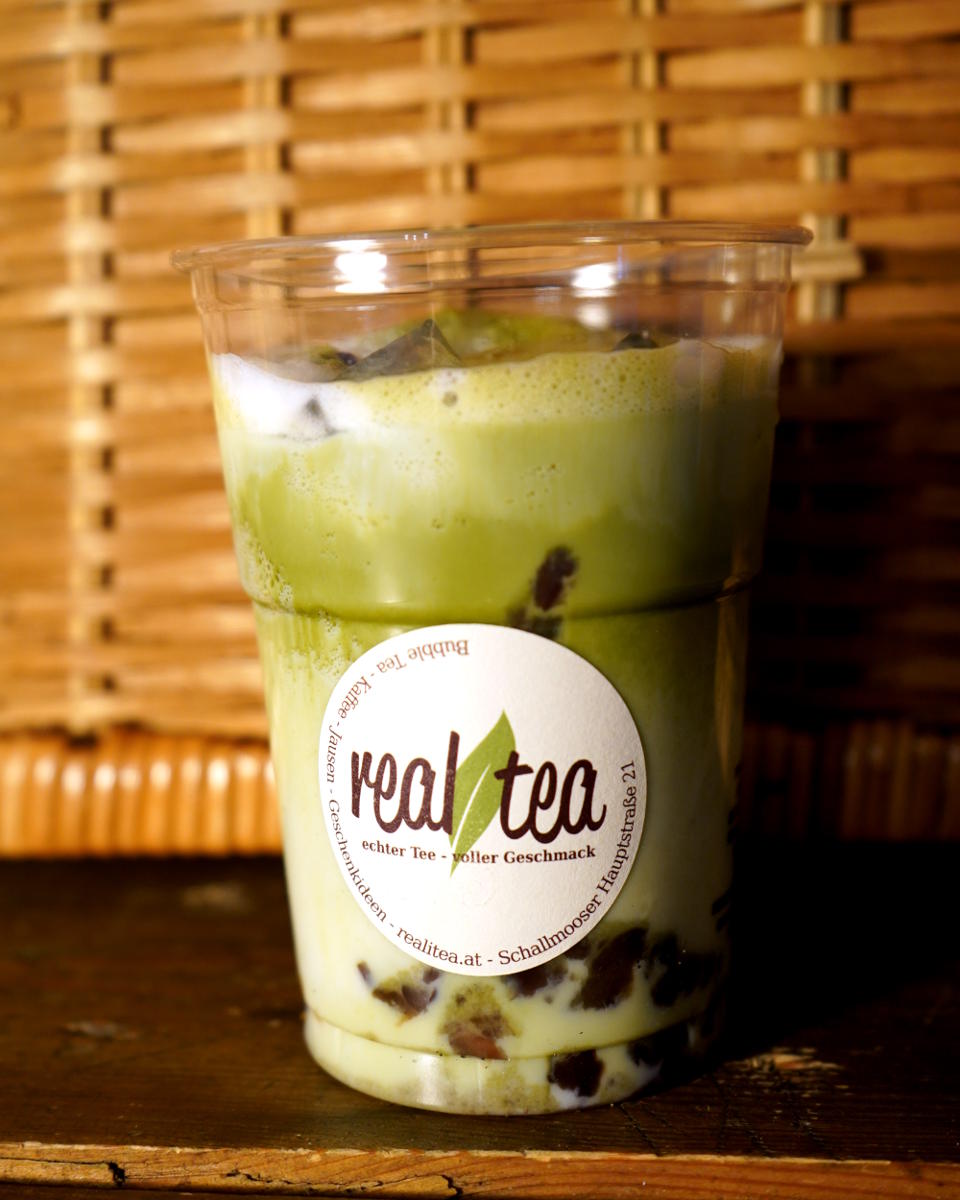
Matcha latte: whisk 1 to 2 grams of matcha with a splash of hot water, then top with 150 to 200 ml of warm milk or a plant alternative. Sweeten to taste.
Storage Tips
Keep matcha airtight and away from light. Refrigeration helps maintain color and aroma. Let the tin come to room temperature before opening, this prevents condensation.
Related Articles
- Matcha origins, benefits, and modern uses
- 3 common grades of matcha, explained
- The matcha boom and current supply shortage
- What is green tea
FAQ, Matcha Basics
What is matcha
Matcha is powdered green tea made from shade grown leaves called tencha. The powder is whisked directly into water or milk, so you drink the whole leaf.
Which matcha grade should I buy
For daily drinking and lattes, choose premium grade. For pure tea with water only, choose ceremonial grade. For baking and mixed recipes, culinary grade is the most economical choice.
Can I use ceremonial matcha for lattes
You can, although milk can hide the delicate flavors. Premium grade gives a good balance of taste and price in lattes.
Does matcha have a lot of caffeine
Matcha is naturally caffeinated. A typical serving of 1 to 2 grams contains a moderate amount of caffeine for most people, and it also includes L‑theanine, which many find calming and focusing.
How should I store matcha
Store it in an airtight container, away from light, heat, and moisture. Refrigeration helps preserve freshness. Always let the container warm to room temperature before opening.
New Stuff
![]() | Why You Should Not Drink Matcha on an Empty Stomach Feeling queasy after matcha? Discover why drinking matcha on an empty stomach can cause discomfort, and how traditional Japanese sweets (wagashi) offer the perfect, time-honored remedy. |
![]() | Tea and Wellness: What Does Science Really Say About The Health Benefits of Tea? Discover the real science behind the health benefits of tea, from antioxidants and heart health to cognitive support and cancer risk, backed by research and expert insights. |
![]() | Matcha Matcha originates in the 8th century in China. When monks brought it to Japan, it became one of the most ritualized drinks in history. Learn what matcha is, how it is made, key grades, and where to buy quality matcha. |
![]() | Why Good Matcha Is Becoming Hard to Find European matcha drinkers, retailers and tea houses like RealiTea may have noticed something unusual lately. Their favorite green tea powder is often out of stock and prices are climbing. |
![]() | Matcha Origins, Health Benefits, and Modern Uses Discover the origins of matcha, its key health benefits, and how this vibrant green tea is used today. Learn how matcha evolved from ancient traditions to modern culinary trends. |
![]() | Matcha Love Matcha Love explores the latest trends in matcha consumption, from hot and iced matcha latte to strawberry matcha, mango matcha, vanilla matcha latte, and matcha with boba. Learn why Japan loves matcha and how the joy is spreading worldwide. |
![]() | 3 Common Grades of Matcha and How to Choose the Right One Discover the 3 main grades of matcha. Ceremonial, premium, and culinary. Learn their differences in flavor, quality, and best uses so you can pick the perfect matcha for tea, lattes, or cooking. |