
Unveiling the Delicate Elegance of Pai Mu Tan White Tea
Have you ever craved a tea that embodies pure refinement? Look no further than Pai Mu Tan, a white tea celebrated for its delicate taste and minimal processing.
Experience the Essence of Untouched Nature
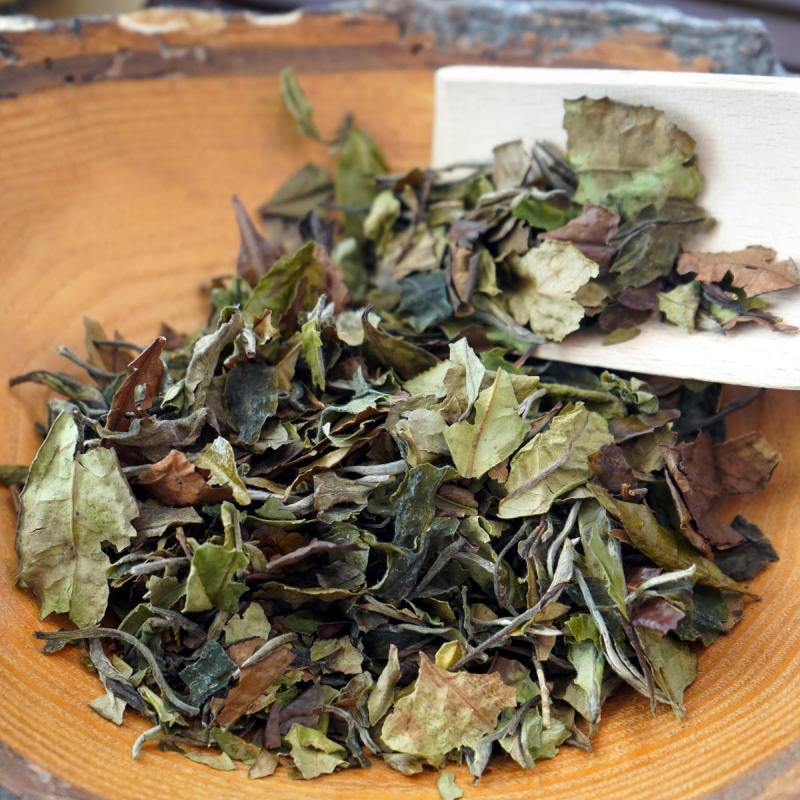
Steeped in tradition, this exquisite beverage originates from the Fujian province of China, where it has captivated tea connoisseurs for centuries.
The Blossoming of White Peony
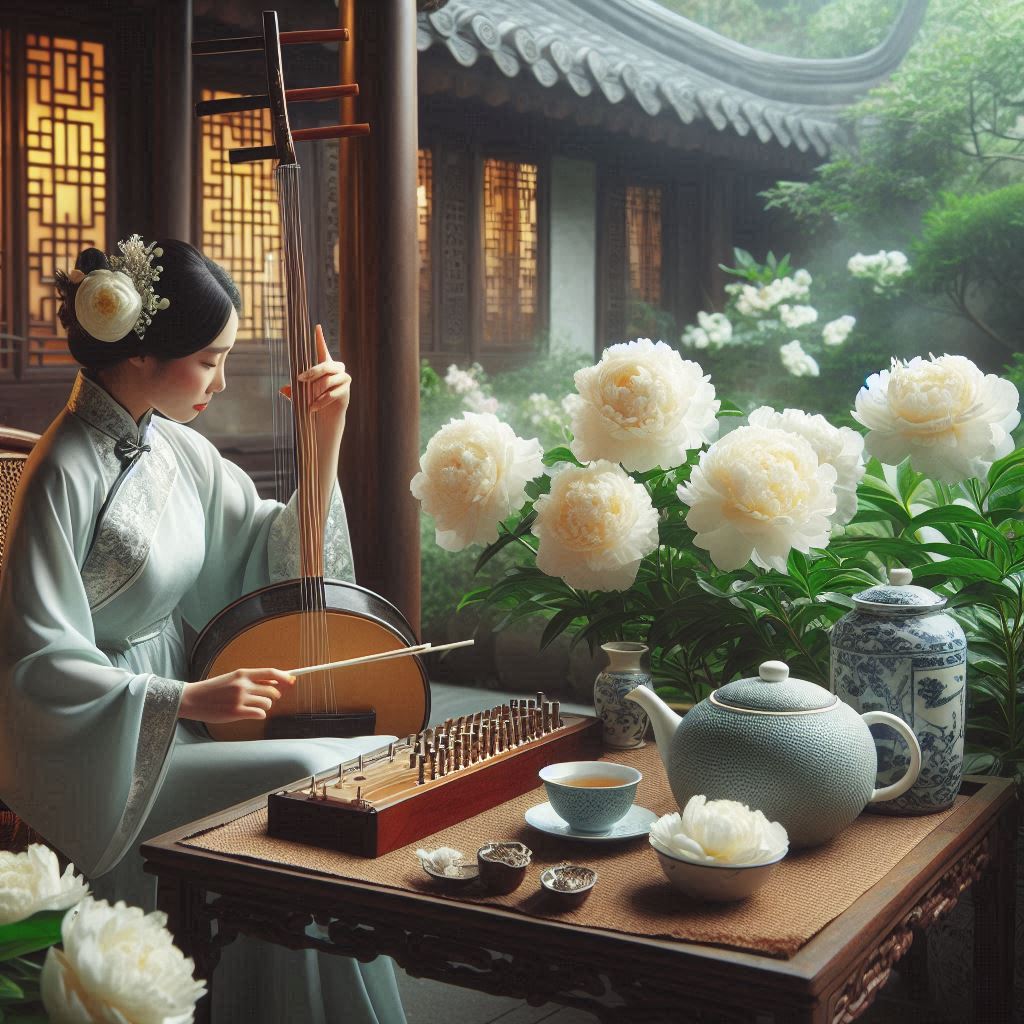
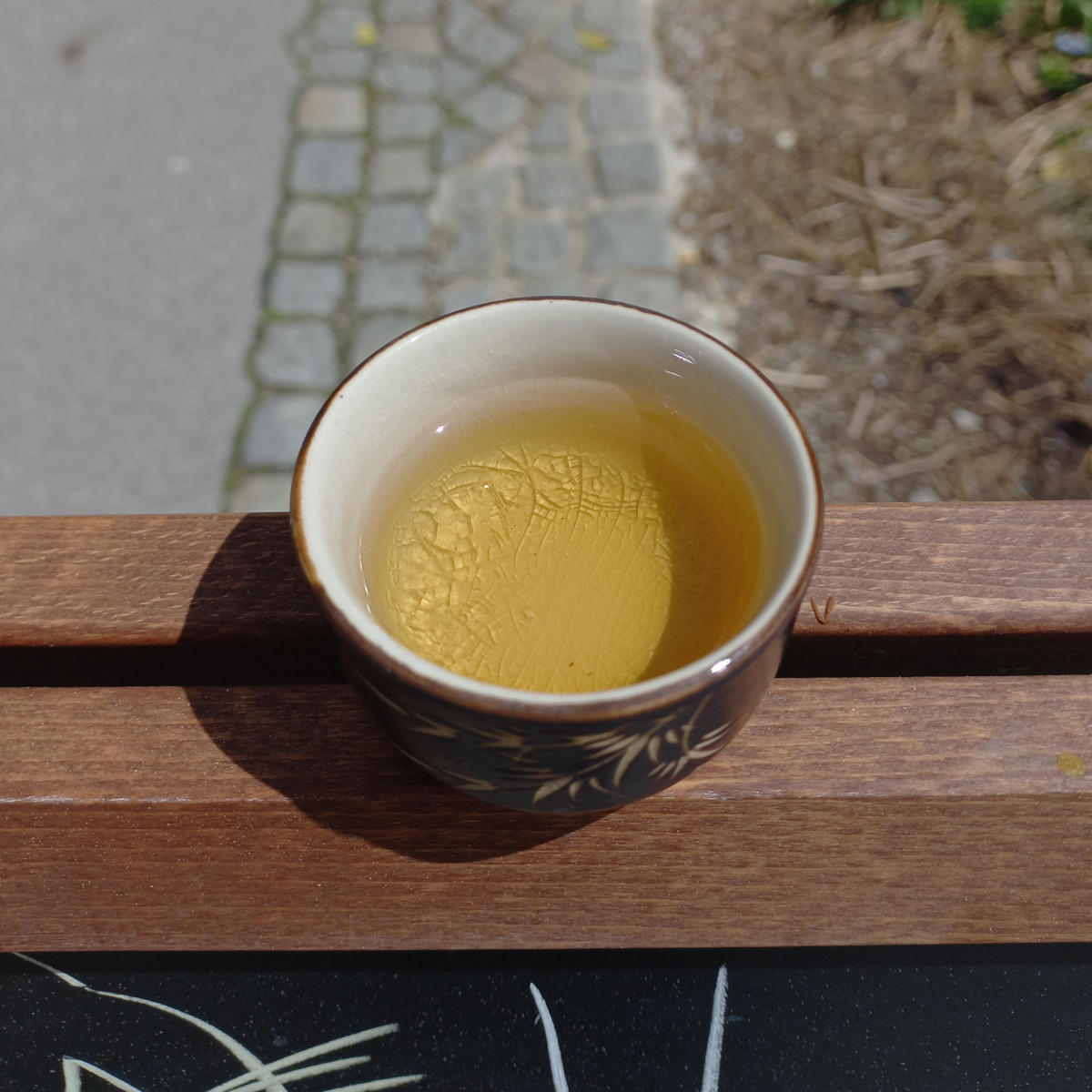
The name "Pai Mu Tan" translates to "White Peony," a fitting description for this tea's visual poetry. Made from young tea buds and the uppermost leaves, still veiled in silvery down, Pai Mu Tan undergoes minimal withering and oxidation, preserving its natural essence. The result? Exquisitely light-colored leaves that unfurl into a pale yellow cup, whispering promises of a delightful experience.
A Symphony of Subtle Flavors
Pai Mu Tan is renowned for its subtle sweetness and delicate floral notes. Imagine gentle hints of honeysuckle and jasmine dancing on your palate, interwoven with a touch of fresh hay. The absence of strong bitterness makes it a perfect choice for those new to white tea, while its nuanced flavor profile continues to surprise and delight seasoned tea lovers.
The Art of Brewing Perfection
To unlock the magic of Pai Mu Tan, steeping is an essential ritual. Here's how to coax out its full potential:
- Temperature: Use water around 90°C. Avoid boiling water, as it can scorch the leaves and produce a bitter taste.
- Quantity: 2-3 grams of loose Pai Mu Tan leaves is ideal for an 8-ounce cup.
- Steeping Time: The first infusion requires only 2-3 minutes. Subsequent steeps can be extended by 30 seconds each.
- Multiple Infusions: The beauty of Pai Mu Tan lies in its ability to yield multiple delicious infusions. The same leaves can be steeped 2-3 times, allowing you to savor the evolving flavors.
Our Commitment to Exquisite Pai Mu Tan
At the RealiTea online shop, we take pride in offering the finest Pai Mu Tan white tea. We source our leaves from reputable growers in Fujian, ensuring the utmost quality and freshness. Each sip is a testament to the meticulous care taken throughout the cultivation and processing stages.
Indulge in a Cup of Luxury
Treat yourself to the unparalleled grace of Pai Mu Tan white tea. Order yours today and embark on a sensory journey to the heart of Chinese tea tradition. Visit our online shop now!
New Stuff
 | 3 Common Grades of Matcha Matcha, a finely ground powder of specially grown and processed green tea leaves, has become a global phenomenon. |
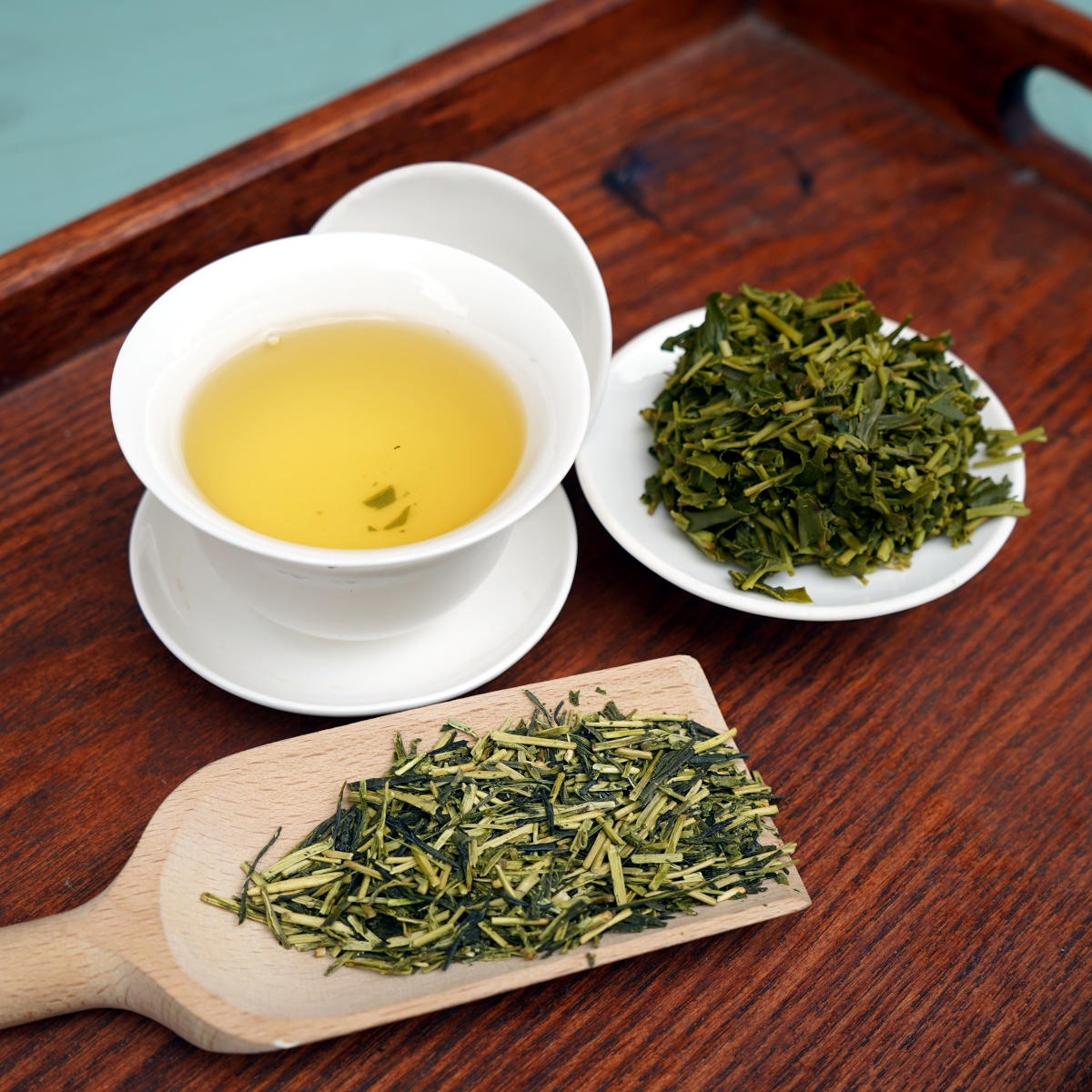 | Kukicha: A Unique Japanese Tea Kukicha is naturally low on caffeine, but still rich in taste. That makes for a perfect afternoon and evening tea. |
| White Tea White tea, a name synonymous with purity and elegance, beckons tea lovers seeking a subtle yet captivating experience. |
| Unveiling the Delicate Elegance of Pai Mu Tan White Tea Have you ever craved a tea that embodies pure refinement? Look no further than Pai Mu Tan, a white tea celebrated for its delicate taste and minimal processing. |
 | Assam Tea A bold brew from the foothills of the Himalayas and one of the most popular teas. |
 | Opening Times New opening times from 1st of November 2023! Mon - Thu 09:30 AM - 05:30 PM, Fri & Sat 9:30 AM - 07:00 PM ... Sun closed |
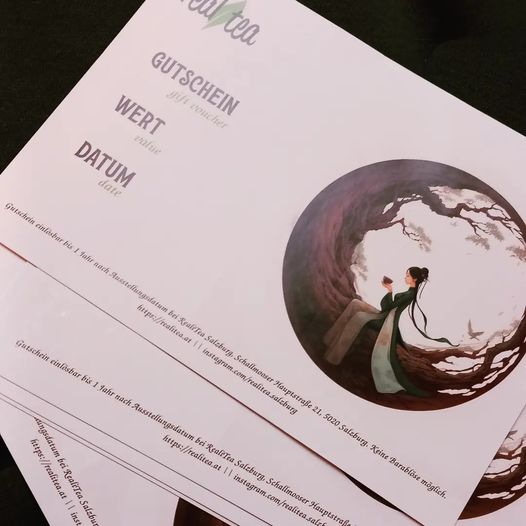 | When sombebody vouches for a gift they buy a gift voucher. Now at RealiTea! |