
Unveiling the Rich History, Health Benefits, and Modern Applications of Matcha
Matcha, a vibrant and powdered green tea, has gained popularity in recent years for its unique flavor and remarkable health benefits.
Diesen Artikel auf Deutsch lesen:
Die reiche Geschichte, gesundheitlichen Aspekte und moderne Anwendungen von Matcha
But what exactly is matcha, and how has it evolved over time? In this blog post, we'll delve into the origin of matcha, explore its numerous health benefits, and discover the various modern uses of this remarkable green tea.
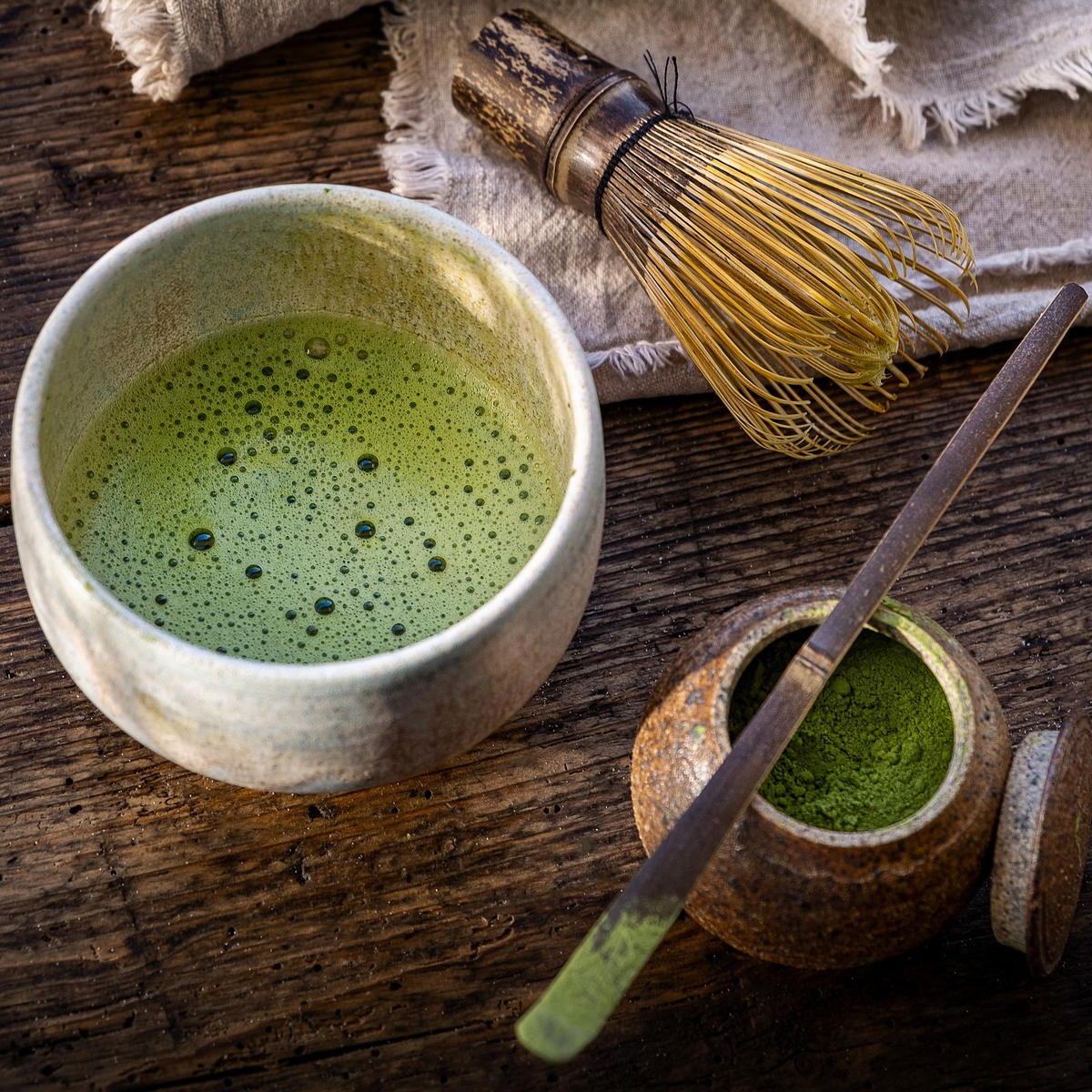
The Origins of Matcha
Matcha traces its roots back to ancient China, where it was first cultivated and used for medicinal purposes. However, it was in Japan that matcha truly flourished. The Zen Buddhist monks of Japan embraced matcha as a staple of their meditation practices, cultivating a profound connection with the tea and elevating it to an art form. Today, Japan is renowned for producing the highest quality matcha, maintaining the traditional cultivation and preparation methods passed down through generations.
The Health Benefits of Matcha
- Abundance of Antioxidants: Matcha is packed with potent antioxidants called catechins, which help protect the body against cellular damage and oxidative stress. In fact, matcha contains a higher concentration of antioxidants compared to regular brewed green tea.
- Enhanced Calmness and Focus: Matcha contains an amino acid called L-theanine, which promotes a sense of calm alertness. This unique combination of L-theanine and caffeine in matcha provides sustained energy and focus without the jitters often associated with other caffeinated beverages.
- Boosted Metabolism and Detoxification: The catechins in matcha, particularly a type called EGCG (epigallocatechin gallate), are known to support metabolism and aid in weight management. Matcha also assists in detoxification by helping to eliminate harmful substances from the body.
- Strengthened Immune System: The various vitamins, minerals, and antioxidants in matcha contribute to a robust immune system, helping to ward off illnesses and infections.
Modern Uses of Matcha
- Traditional Tea Preparation: Matcha's enduring tradition lives on as it is prepared in a ceremonial fashion. The tea powder is whisked with hot water, creating a frothy, vibrant green beverage that is savored for its rich taste and unique mouthfeel.
- Culinary Applications: Matcha has found its way into an array of culinary creations. From baked goods and desserts to smoothies and lattes, matcha adds a delightful and distinctive flavor, along with its nutritional benefits, to a wide range of recipes.
Of course that is our way of preparing matcha here at RealiTea in Salzburg - a small, home made variety of hot or cold matcha drinks and even ice cream is available! - Skincare and Beauty: Matcha has become a popular ingredient in skincare products due to its antioxidant properties. It helps to rejuvenate the skin, fight signs of aging, and promote a healthy complexion.
- Health and Wellness Products: Matcha is incorporated into various health and wellness products, including supplements, energy bars, and even ice creams, catering to individuals seeking a convenient and delicious way to enjoy its benefits.
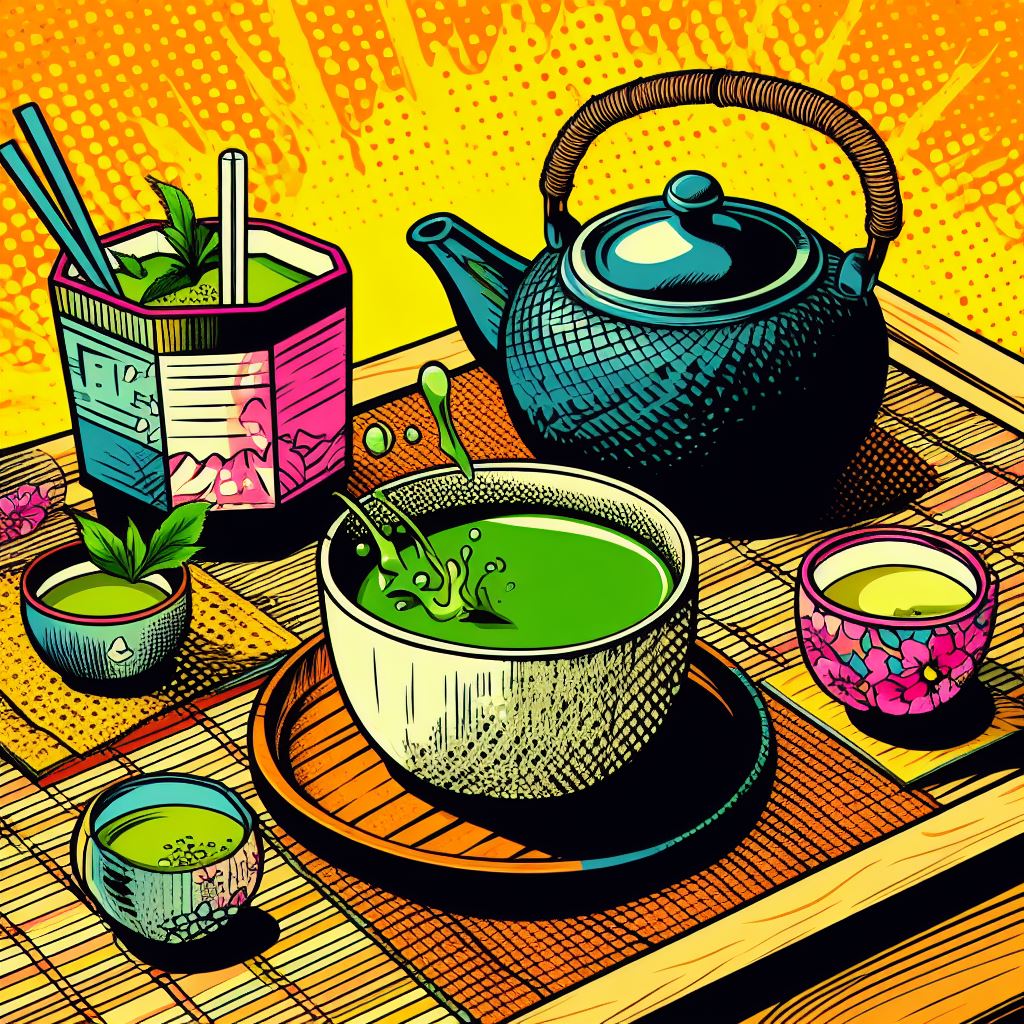
Matcha's journey from ancient China to its revered status in Japanese culture is a testament to its enduring appeal and remarkable health benefits. Packed with antioxidants, promoting calmness and focus, aiding in metabolism, and supporting the immune system, matcha has rightfully earned its place as a beloved beverage and versatile ingredient.
Whether enjoyed through traditional tea ceremonies, infused into culinary creations, or incorporated into skincare and wellness products, matcha continues to captivate and enrich lives in the modern world. Embrace the vibrant green powder and savor the countless benefits it offers.
Remember to sip your matcha mindfully, appreciating its rich heritage and the positive impact it can have on your well-being.
Sources
- "Matcha: A Lifestyle Guide" by Jessica Flint and Anna Kavaliunas
- "The Book of Matcha" by Louise Cheadle and Nick Kilby
- https://www.ncbi.nlm.nih.gov/pmc/articles/PMC3897755/
- https://www.healthline.com/nutrition/7-benefits-of-matcha-tea#1
New Stuff
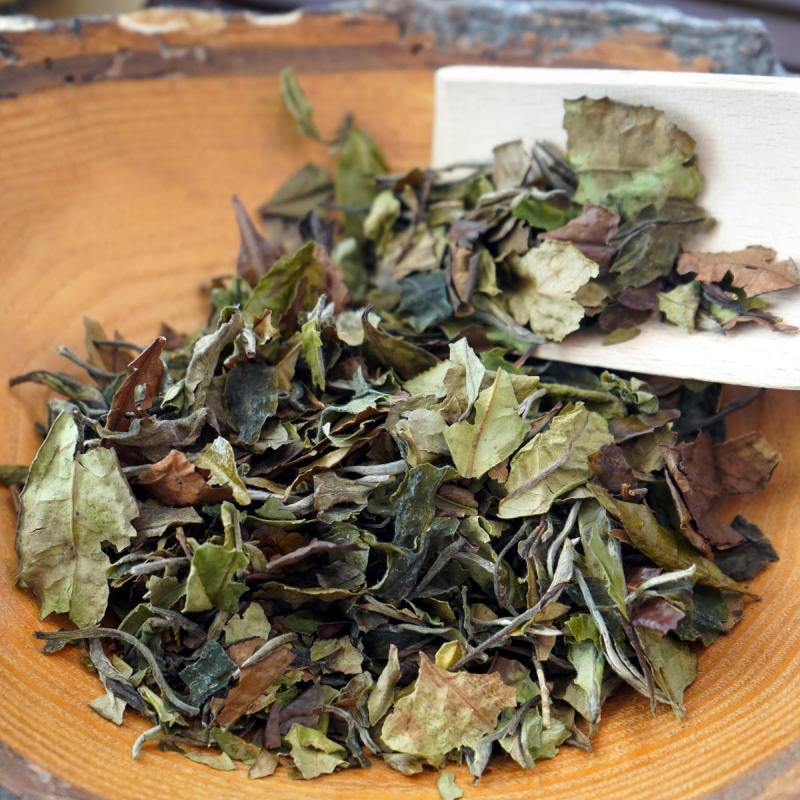 | White Tea White tea, a name synonymous with purity and elegance, beckons tea lovers seeking a subtle yet captivating experience. |
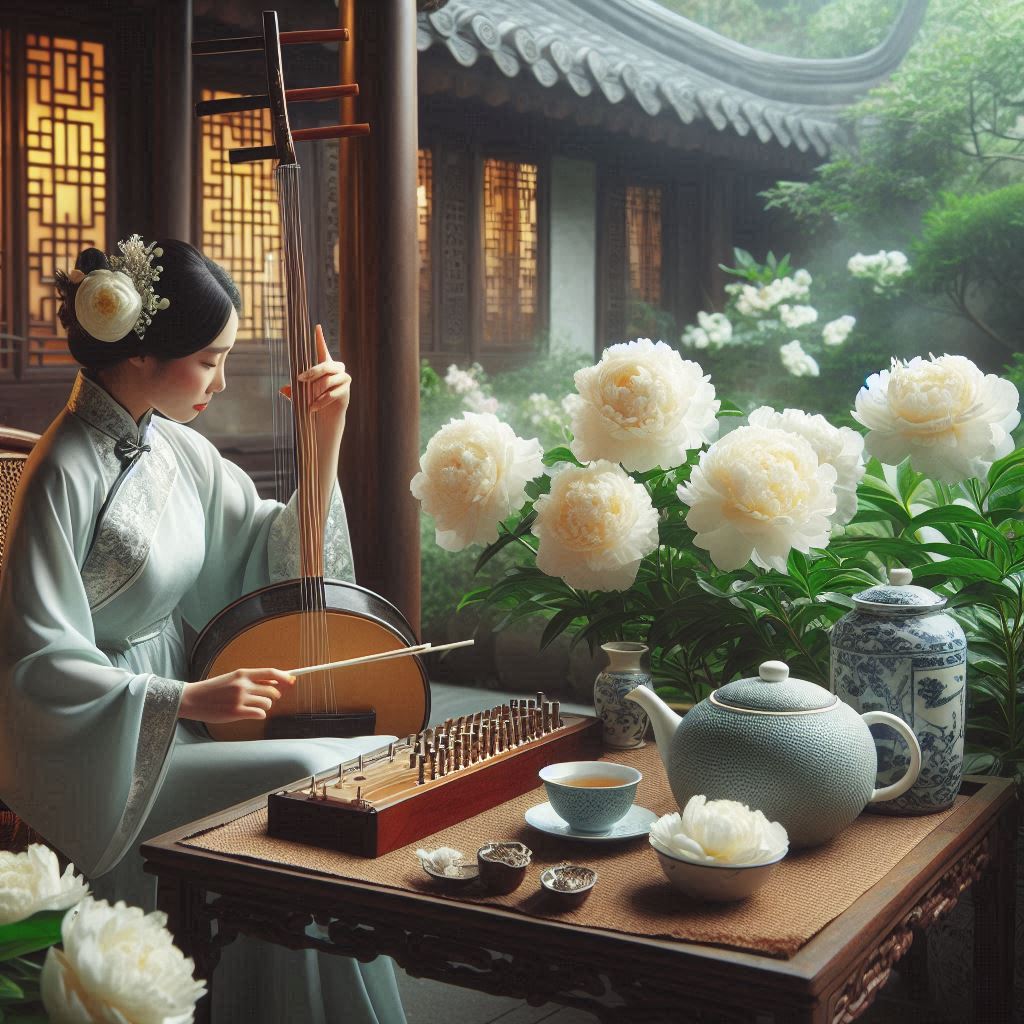 | Unveiling the Delicate Elegance of Pai Mu Tan White Tea Have you ever craved a tea that embodies pure refinement? Look no further than Pai Mu Tan, a white tea celebrated for its delicate taste and minimal processing. |
 | Assam Tea A bold brew from the foothills of the Himalayas and one of the most popular teas. |
 | Opening Times New opening times from 1st of November 2023! Mon - Thu 09:30 AM - 05:30 PM, Fri & Sat 9:30 AM - 07:00 PM ... Sun closed |
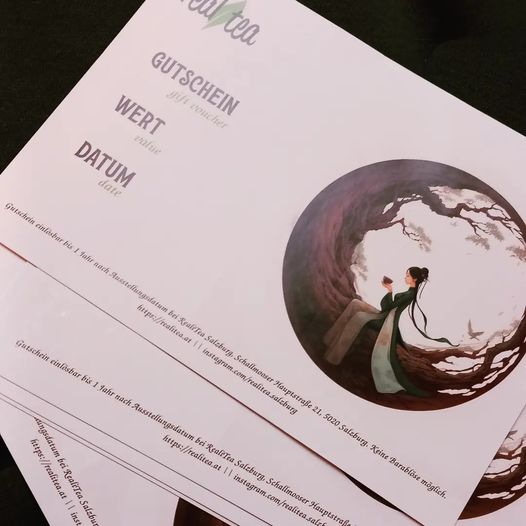 | When sombebody vouches for a gift they buy a gift voucher. Now at RealiTea! |
 | The issue of fake coffee in Vietnam Despite Vietnam having excellent conditions for growing great coffee, premium suppliers are rare and street coffee often is not even real coffee. What is wrong here and what is right? Let us take a look. |
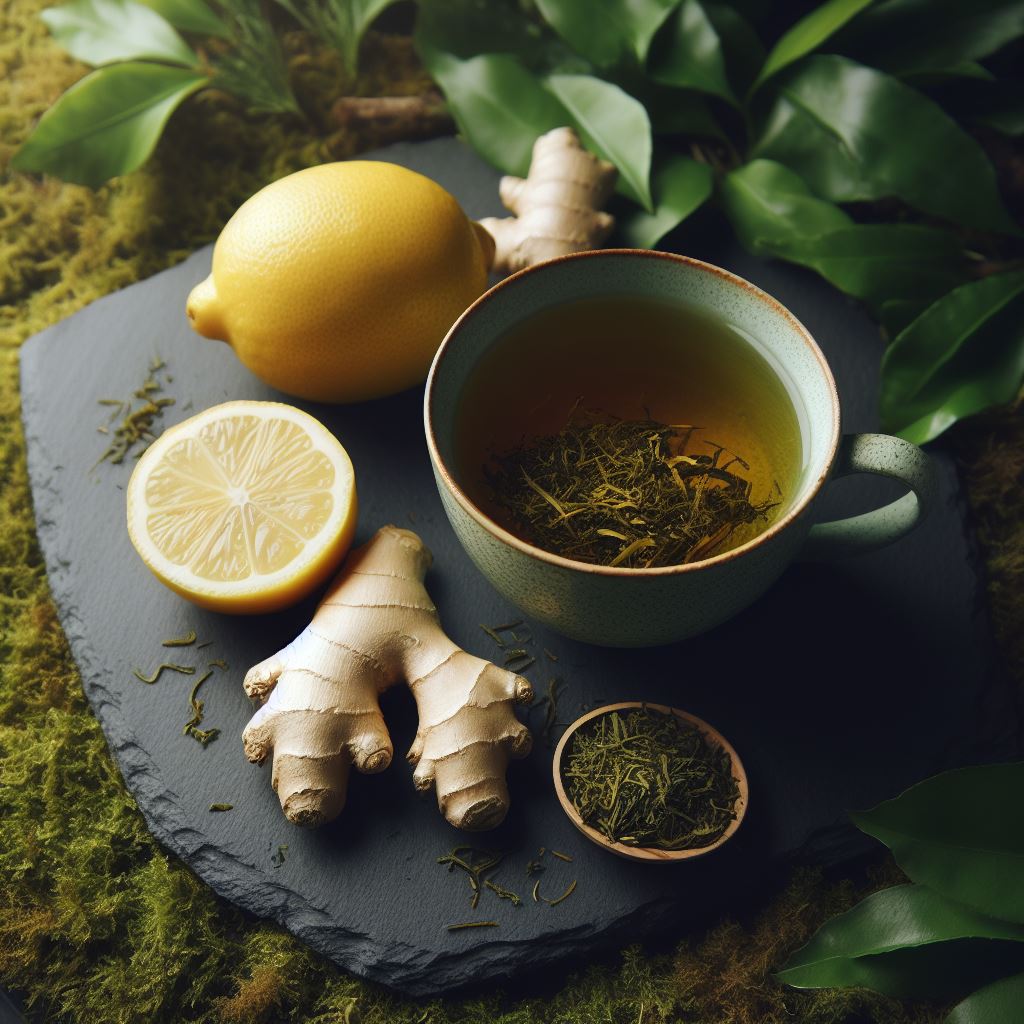 | The Benefits of Ginger Tea During the Cozy Season Ginger is a wonderful remedy for chills or scratchy throats, so the ginger green tea we have on the menu is perfect for the cold time! |