
Main Tea Producing Countries
Tea is growing in many countries along the tea belt, that is how we call the part around the globe where Camellia sinensis can thrive.
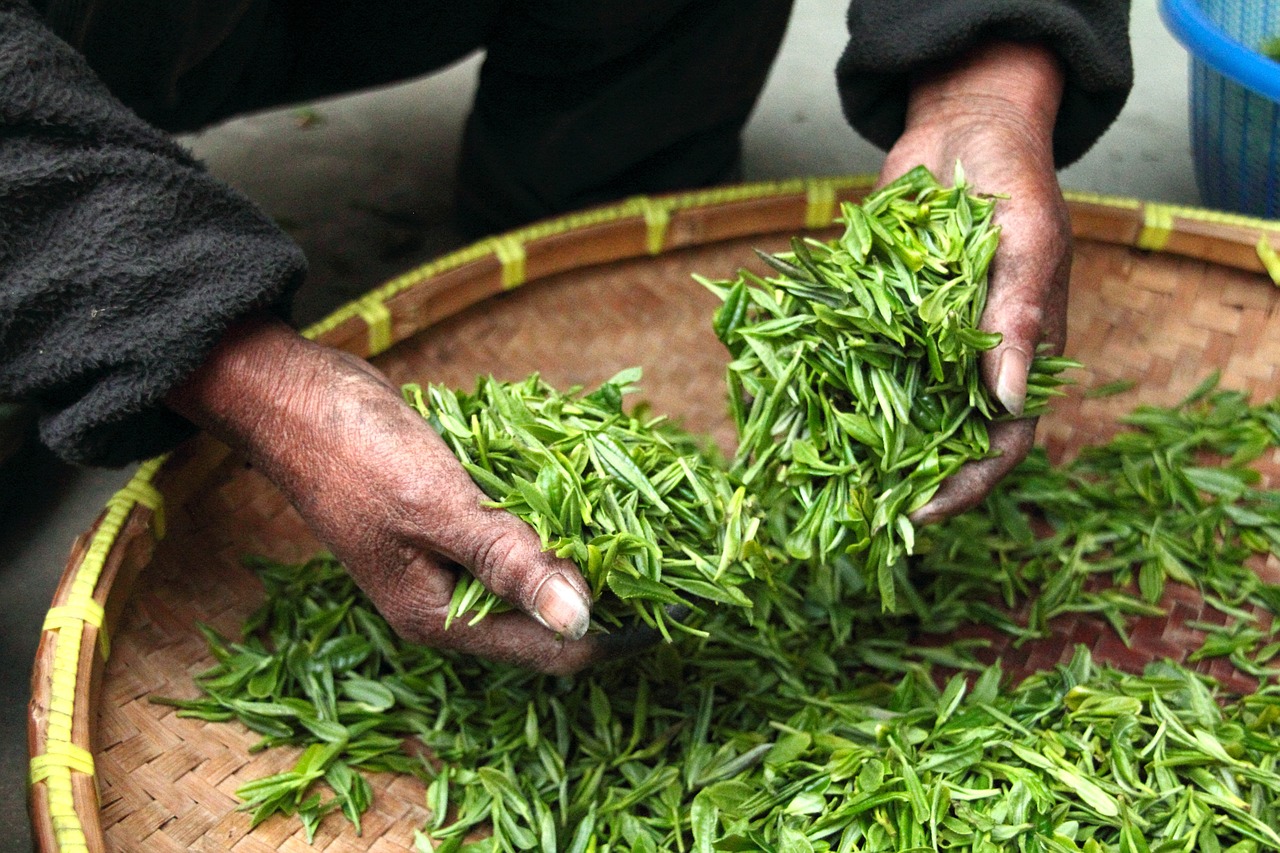
Tea is grown and produced in many countries around the world. Some of the largest and most prominent tea-producing countries include:
- China: China, or the Yunnan province to be more precise, is the birthplace of tea and China is the world's largest producer and consumer of Camellia sinensis.
- India: India is one of the world's largest tea-producing countries with tea grown in the states of Assam, West Bengal, and Tamil Nadu. India mainly produces black tea.
- Kenya: Kenya is a major producer of black tea, with a large portion of its production exported to Europe and other regions.
- Sri Lanka (formerly known as Ceylon): Sri Lanka is known for its high-quality Ceylon tea, which is considered some of the best in the world.
- Turkey: Turkey is a significant producer of black tea, which is primarily consumed in the country and neighboring regions.
- Japan: Japan is famous for its green tea, particularly Matcha, which is used in traditional tea ceremonies.
- Vietnam: Vietnam is an old producer of mainly green teas, with a growing focus on export. Since we have roots and friends in Vietnam, our best teas are directly sourced there.
- Indonesia: Indonesia is a significant producer of tea, with a focus on black tea for export to Europe and other regions.
These are just a few examples of the many countries around the world that produce tea. Each country has its own unique tea-growing conditions and production techniques, which result in a wide variety of teas with different flavors, aromas, and characteristics.
At RealiTea, we focus on teas from Asia. (mostly) Vietnam, China, Japan, Sri Lanka and India. Please take a look at the list of teas if you are interested in our selection.
New Stuff
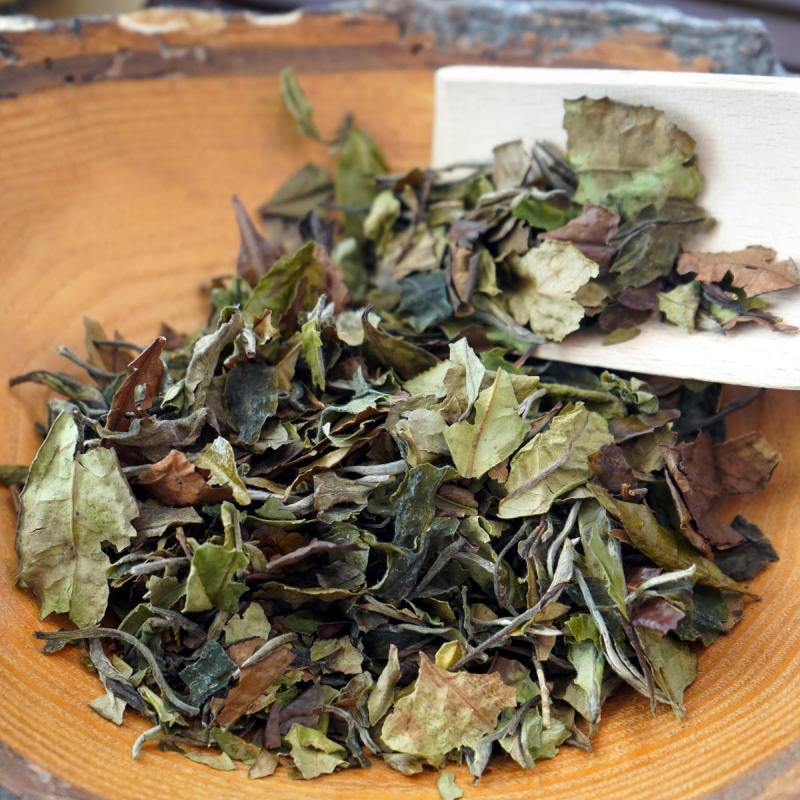 | White Tea White tea, a name synonymous with purity and elegance, beckons tea lovers seeking a subtle yet captivating experience. |
 | Unveiling the Delicate Elegance of Pai Mu Tan White Tea Have you ever craved a tea that embodies pure refinement? Look no further than Pai Mu Tan, a white tea celebrated for its delicate taste and minimal processing. |
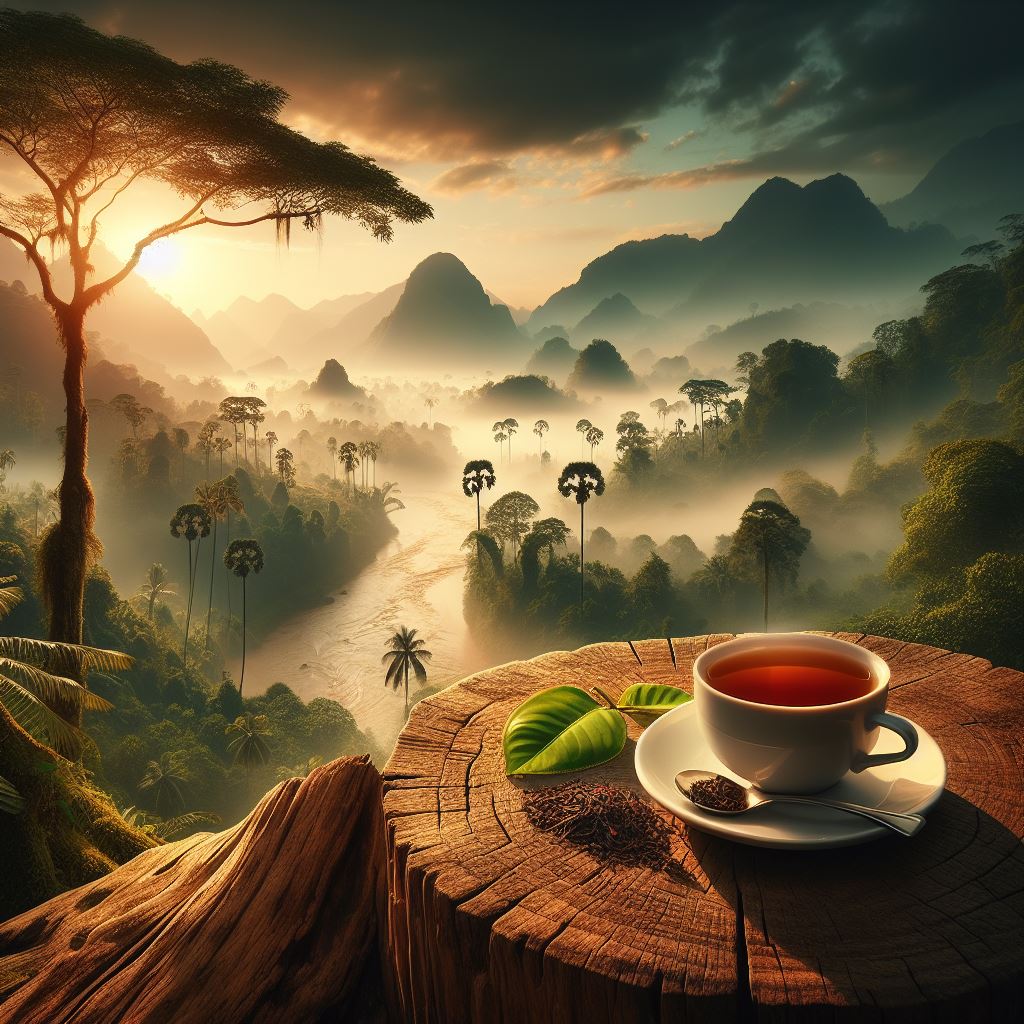 | Assam Tea A bold brew from the foothills of the Himalayas and one of the most popular teas. |
 | Opening Times New opening times from 1st of November 2023! Mon - Thu 09:30 AM - 05:30 PM, Fri & Sat 9:30 AM - 07:00 PM ... Sun closed |
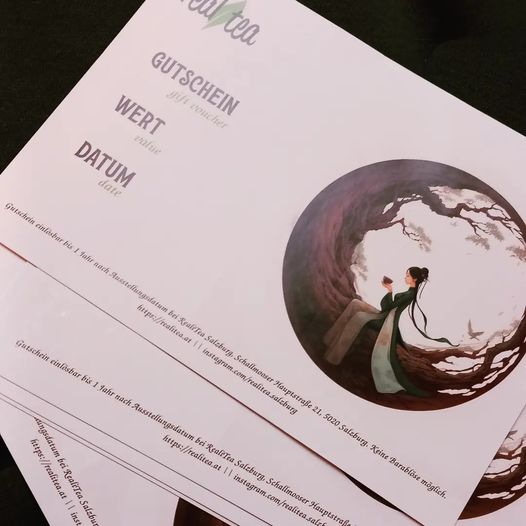 | When sombebody vouches for a gift they buy a gift voucher. Now at RealiTea! |
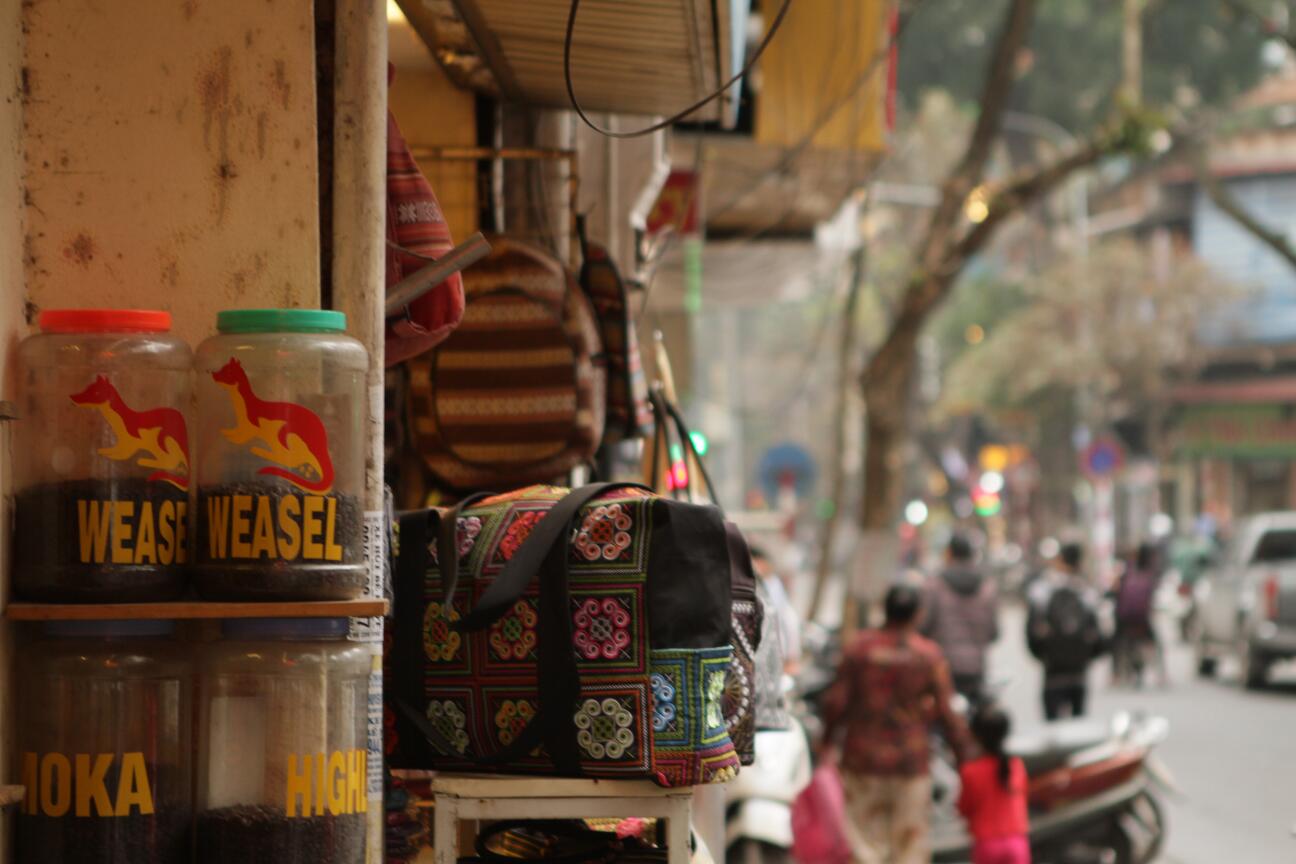 | The issue of fake coffee in Vietnam Despite Vietnam having excellent conditions for growing great coffee, premium suppliers are rare and street coffee often is not even real coffee. What is wrong here and what is right? Let us take a look. |
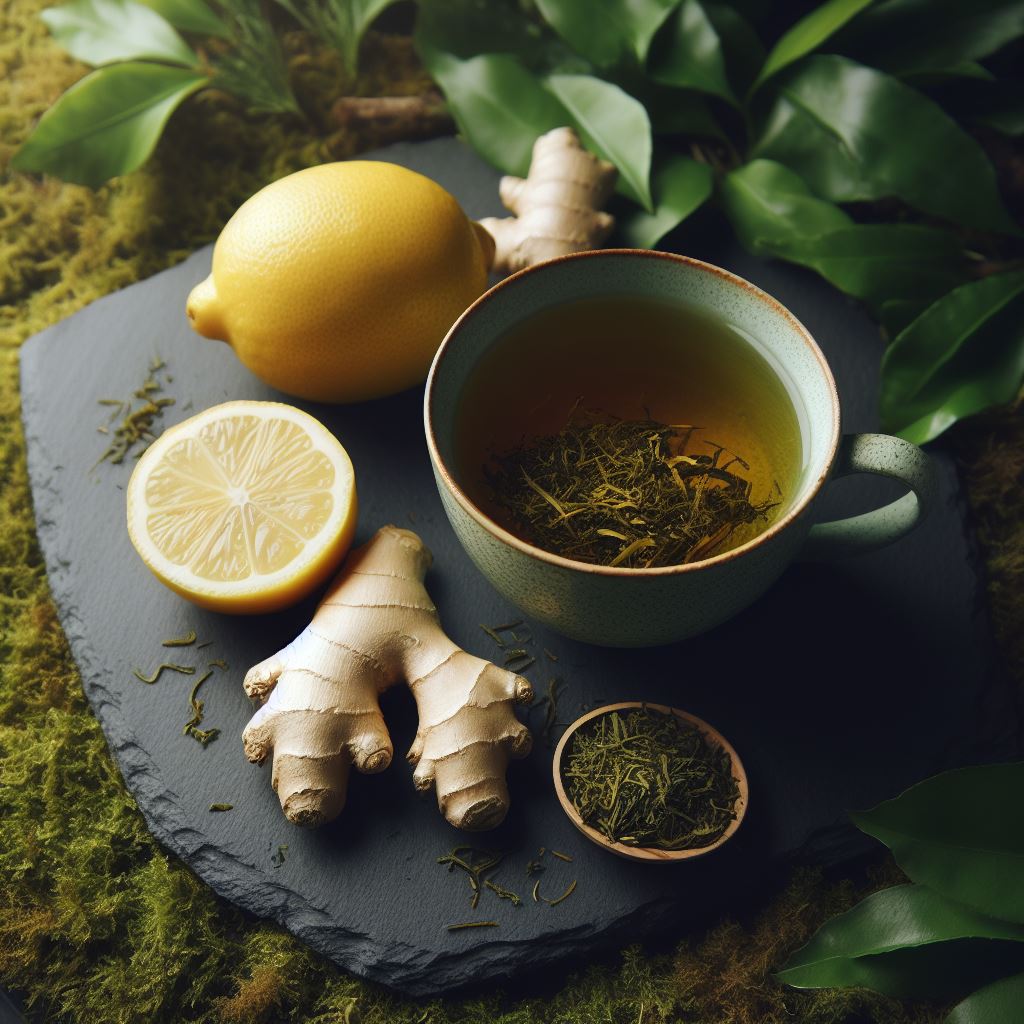 | The Benefits of Ginger Tea During the Cozy Season Ginger is a wonderful remedy for chills or scratchy throats, so the ginger green tea we have on the menu is perfect for the cold time! |