High Tea
High tea is a fascinating aspect of British food history, rooted in the needs of the working class rather than the elegance of aristocratic traditions.

High Tea: A Hearty Tradition of the Working Class
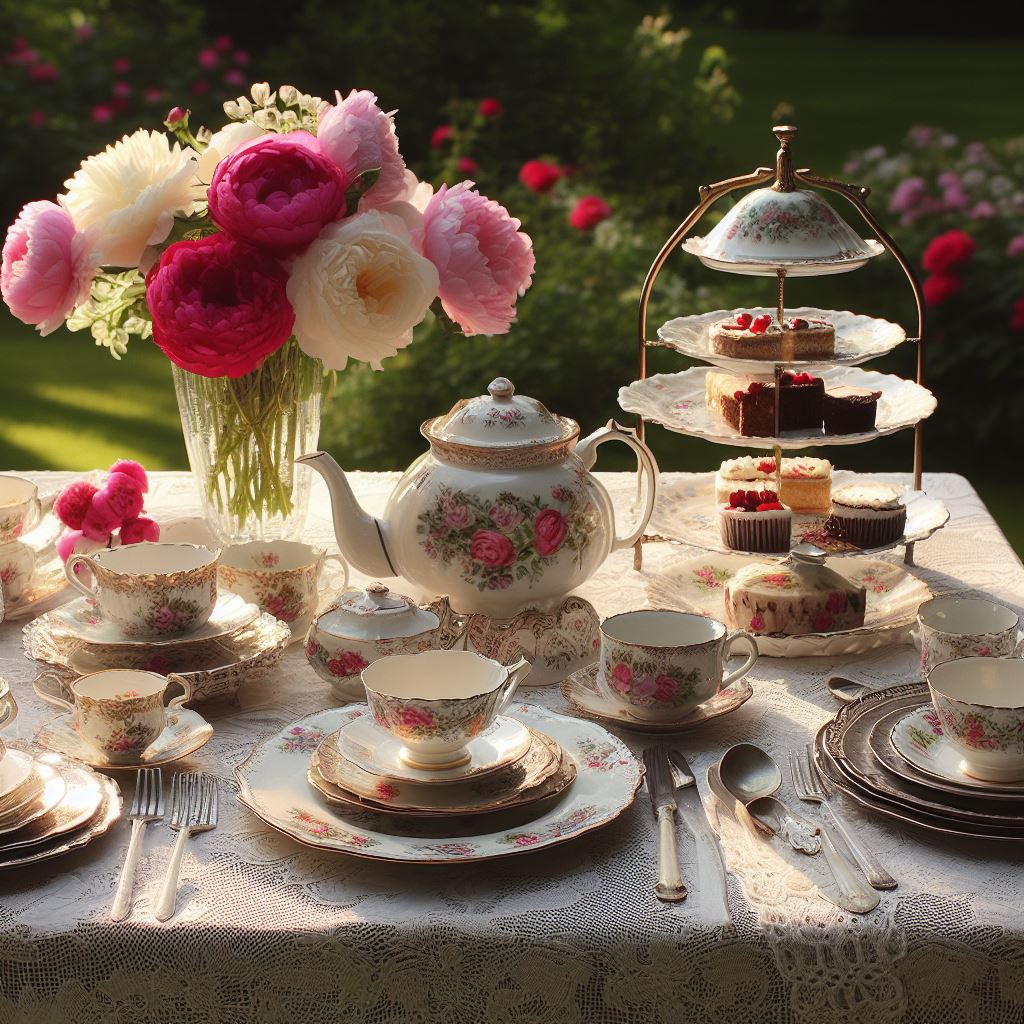
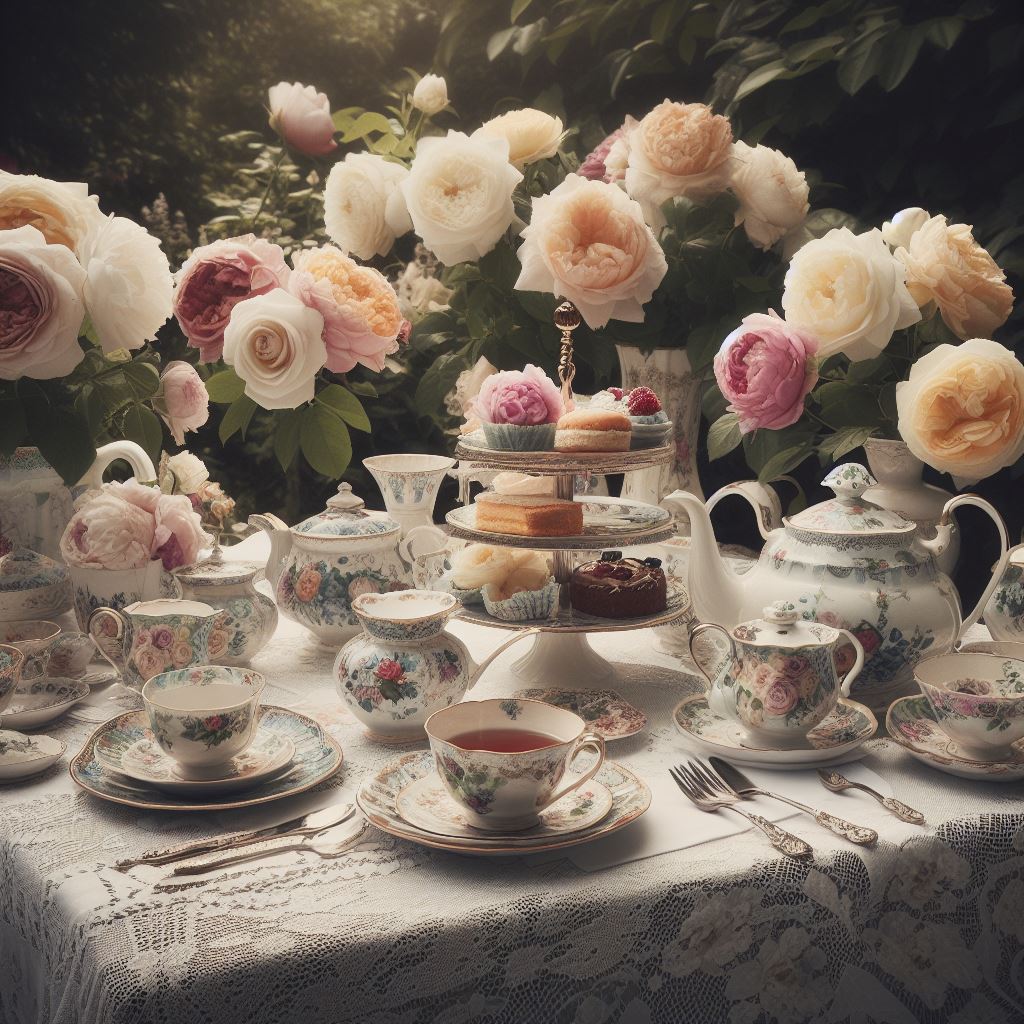
When people hear the term "high tea," they often imagine an elegant afternoon gathering with fine china, delicate finger sandwiches, and dainty pastries. However, this is actually a misconception. What most associate with "high tea" is actually "afternoon tea", a tradition of the British upper class. In contrast, high tea was historically a more substantial meal enjoyed by the working class in the United Kingdom.
The Origins of High Tea
High tea emerged during the 18th and 19th centuries as an evening meal for laborers and industrial workers. Unlike the aristocratic afternoon tea, which was meant to bridge the gap between lunch and dinner, high tea was served later in the day, typically between 5:00 and 7:00 PM. After long hours of physically demanding work, laborers needed a hearty meal to replenish their energy, and high tea provided just that.
Why Is It Called "High Tea"?
The term "high tea" is believed to come from the fact that it was served at a high dining table, as opposed to the low, comfortable tables used for afternoon tea. This practical setting reflected the meal's more substantial nature, making it a filling and functional part of daily life rather than a leisurely social affair.
What Was Served at High Tea?
Unlike the light, refined fare of afternoon tea, high tea consisted of robust, home-cooked foods. A typical high tea spread might include:
- Meat pies or cold cuts
- Hearty breads with butter
- Cheese and pickles
- Beans on toast or fish
- Eggs and vegetables
- Cakes, scones, and fruit tarts for dessert
Most importantly, tea was an essential component, usually served strong with milk and sugar, providing a comforting and revitalizing drink at the end of a long workday.
- English Breakfast Tea is most suitable for occasions like this, since it is strong, dark and hearty.
High Tea vs. Afternoon Tea
| Feature | High Tea | Afternoon Tea |
|---|---|---|
| Time of Day | Early evening (5-7 PM) | Mid-afternoon (3-5 PM) |
| Class Association | Working class | Upper class |
| Setting | Kitchen or dining table | Lounge or drawing room |
| Food Type | Hearty, filling meals | Light snacks and pastries |
| Purpose | Main evening meal | Social gathering |
High Tea in Modern Times
While high tea is not as common today, it still exists in various forms. In parts of Scotland and northern England, families may still refer to their evening meal as "tea." In some hotels and restaurants, "high tea" has been adapted to include elements of afternoon tea but with a more substantial menu, often blending tradition with modern dining preferences.
Fancy a cup of tea now?
Just drop by our online shop and check out our teas!
Green tea, black tea, white tea, oolong tea or puer tea
RealiTea - your choice for a lovely day
steeped in the elegant fragrance of quality tea.
High tea is a fascinating aspect of British food history, rooted in the needs of the working class rather than the elegance of aristocratic traditions. It was a meal designed to be filling, practical, and enjoyable after a hard day's work. While its original form may not be as widespread today, the legacy of high tea lives on in how we think about tea culture and mealtime traditions across the world.
Currently at RealiTea, we do not offer high tea. But that doesn't mean you cannot drop by for a pot of tea and a cake or sandwich...
New Stuff
![]() | Is my beloved peppermint tea actually tea? Is chamomile really tea? What about coffee? The answer depends on whether we speak botanically or culturally. This article explores how true tea comes from Camellia sinensis and why language still calls many infusions tea. |
![]() | The six types of true tea The biggest mystery in tea: They do not come from different plants. |
![]() | Let us talk about Tea The journey of the tea plant from ancient forests to modern teacups is nothing short of extraordinary. Whether you are savoring a delicate green tea or indulging in a robust black tea, every sip connects you to a world of flavor. |
![]() | Why You Should Not Drink Matcha on an Empty Stomach Feeling queasy after matcha? Discover why drinking matcha on an empty stomach can cause discomfort, and how traditional Japanese sweets (wagashi) offer the perfect, time-honored remedy. |
![]() | Tea and Wellness: What Does Science Really Say About The Health Benefits of Tea? Discover the real science behind the health benefits of tea, from antioxidants and heart health to cognitive support and cancer risk, backed by research and expert insights. |
![]() | Matcha Matcha originates in the 8th century in China. When monks brought it to Japan, it became one of the most ritualized drinks in history. Learn what matcha is, how it is made, key grades, and where to buy quality matcha. |
![]() | Why Good Matcha Is Becoming Hard to Find European matcha drinkers, retailers and tea houses like RealiTea may have noticed something unusual lately. Their favorite green tea powder is often out of stock and prices are climbing. |